
Best Time to Go for Umrah: Weather, Costs and Crowds Explained
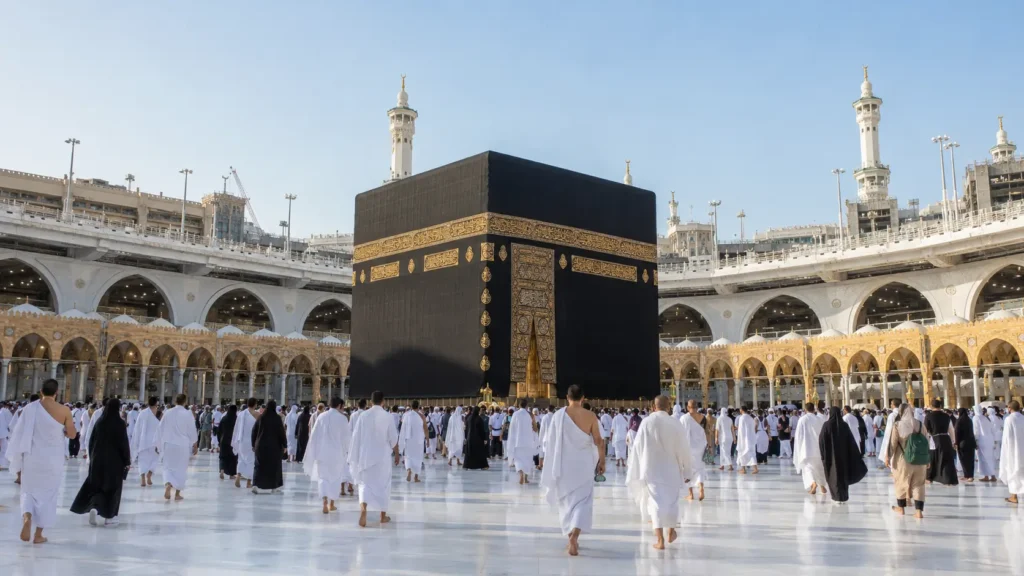
Choosing when to go for Umrah can make a real difference to your journey. Comfortable weather can make walking easier, flexible dates can give you more accommodation options, and travelling outside busy periods may help you settle into a calmer routine. For families travelling from the UK, school holidays and annual leave also influence the decision.
The best time to go for Umrah depends on what matters most to you: cooler conditions, a manageable budget, fewer crowds or the opportunity to experience Ramadan in Makkah. Looking at these priorities together helps you choose dates that suit both your worship and your practical needs.
When Is the Best Time to Go for Umrah?
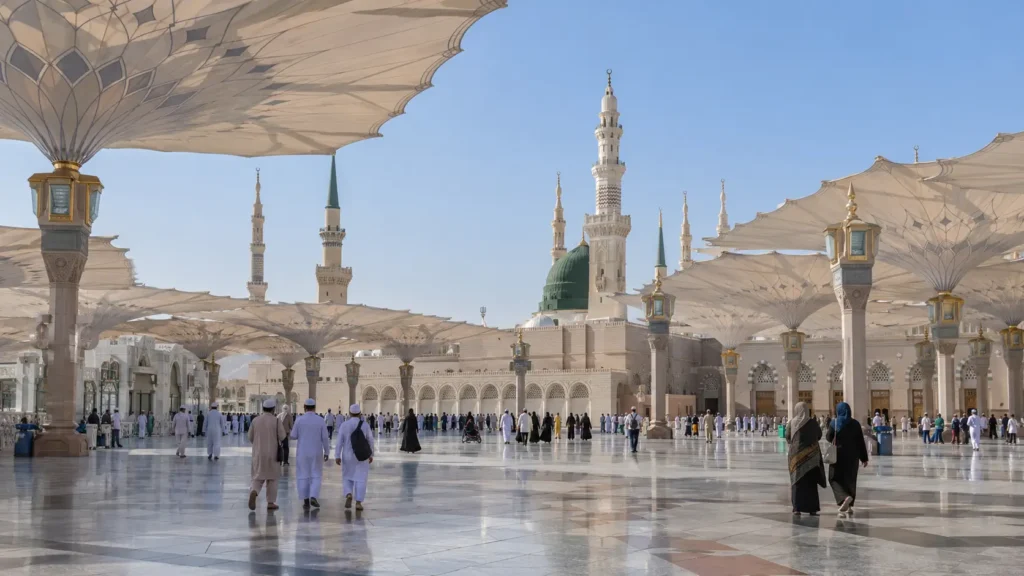
November to February is generally a good starting point for pilgrims who prefer cooler weather. If your priority is cost or fewer crowds, compare dates outside Ramadan and major holiday periods. For those who wish to experience the spiritual significance of Ramadan, planning around that month may matter more than price or convenience.
There is no single month that offers the best weather, lowest prices and quietest conditions every year. Ramadan and Hajj follow the Islamic lunar calendar, so their Gregorian dates move each year. A month that suits a budget trip one year may overlap with a busy religious period the next.
This comparison can help you decide where to begin:
Your Priority | Dates to Consider | What to Check |
Comfortable weather | November to February | Ramadan overlap and holiday demand |
Lower overall cost | Flexible dates outside peak periods | Actual flight fares, room rates and inclusions |
Fewer crowds | Dates outside Ramadan and major holidays | Religious calendar and international travel demand |
Ramadan experience | The part of Ramadan that suits your plans | Accommodation, crowd levels and daily routine |
Family convenience | Suitable UK school holidays | Weather, flight times and hotel walking distance |
Umrah Weather by Month: What to Expect in Makkah and Madinah
Weather affects more than what you pack. It can influence how often you walk between your hotel and the mosque, when you arrange visits and how much rest you need.
Makkah remains warm even in winter, while summer brings intense heat. Madinah can feel considerably cooler during winter evenings and early mornings, so it is worth checking both cities when preparing for your trip. Makkah’s climate overview illustrates the contrast between its winter and summer conditions.
November to February: Cooler Conditions for Walking and Worship
These months are worth considering if you find hot weather tiring. More comfortable conditions can make the walk to the Haram easier and give you greater flexibility when planning your day.
For travellers who can depart after the UK Christmas holidays, January Umrah packages provide a relevant starting point for comparing winter travel options. Check the Islamic calendar for your intended year, however, because January does not always fall outside Ramadan.
Cooler weather does not automatically mean lower prices or smaller crowds. December holiday departures and dates that overlap with Ramadan can attract strong demand.
March to April and September to October: Transitional Weather
These months sit between the cooler winter period and the height of summer, but they should not all be treated as equally mild. March may offer more comfortable conditions than April, while September can still feel very hot.
If you are considering these dates, think about your daily routine as well as the forecast. A short walk from your hotel and enough time to rest can make a noticeable difference, particularly when travelling with relatives who tire easily.
May to August: Planning Around the Summer Heat
Summer travel requires more careful planning around the heat. Walking outdoors can be demanding, and a busy itinerary may leave little time to recover between activities.
If these are the only dates available to you, give extra attention to hotel location, reliable transfers and a manageable schedule. A lower package price may offer limited value if it comes with lengthy walks or inconvenient transport.
The following table gives a broad weather guide rather than a forecast:
Month | General Weather Pattern | Practical Consideration |
January | Relatively cooler | Prepare for cooler Madinah mornings and evenings |
February | Generally comfortable compared with summer | Check whether dates overlap with Ramadan |
March | Becoming warmer | Allow time for rest during warmer parts of the day |
April | Increasing daytime heat | Consider hotel proximity carefully |
May | Very hot conditions becoming established | Check heat and Hajj-season arrangements |
June | Intense summer heat | Keep outdoor plans manageable |
July | Very hot | Avoid an unnecessarily demanding itinerary |
August | Very hot | Consider children’s comfort during school-holiday travel |
September | Heat often remains strong | Do not assume autumn means cool conditions |
October | Gradually easing heat | Check the forecast for your particular dates |
November | More comfortable conditions developing | Compare departure dates and accommodation |
December | Relatively cooler | Account for UK Christmas-holiday demand |
Weather varies from year to year. Ramadan and Hajj dates must be checked separately rather than assigned permanently to any month in this table.
What Is the Cheapest Time to Go for Umrah from the UK?
The cheapest time to go for Umrah depends on the flights and accommodation available for your dates. Travelling outside Ramadan and major school holidays can give you more scope to find a suitable price, but no month is guaranteed to be the cheapest.
A useful comparison looks at the whole journey. A package with a lower headline price may involve a longer connection, fewer nights or a hotel farther from the Haram.
How Peak Demand Affects Flights and Hotels
When more people want to travel on similar dates, desirable flights and hotel rooms can become harder to secure. Ramadan, particularly its closing days, and UK holiday departures deserve careful comparison.
Hotel location also matters. Two packages for the same week may differ substantially because one offers a shorter walk, a different room arrangement or more convenient transfers. Compare similar inclusions before deciding which offers better value.
How Flexible Dates Can Help You Find Better Value
If your work and family commitments allow it, compare several departure and return dates. It can also be useful to check another UK airport, provided the extra travel cost and effort do not outweigh the saving.
For example, a cheaper flight from a more distant airport may require an overnight hotel stay. Similarly, saving on accommodation may mean spending more time and money on transport in Makkah. Choose the option that works for your total budget and comfort.
When Is Umrah Less Crowded?
Travelling outside Ramadan and major holiday periods may offer a comparatively calmer experience. However, Makkah welcomes pilgrims from around the world, so UK school terms alone cannot tell you how busy it will be.
Crowds also change throughout the day. A quieter travel week can still include busy prayer periods, and conditions around the Haram may differ from what you expected when booking.
If avoiding heavy crowds is a priority, keep your dates flexible and discuss the expected conditions for your particular travel window. It is more realistic to plan for comparatively quieter conditions than to expect an empty or consistently uncrowded Haram.
Is Ramadan the Right Time for Your Umrah?
For many Muslims, Ramadan is the time they most hope to visit Makkah. Sharing the atmosphere of fasting, prayer and worship can be a deeply meaningful part of the journey. It also calls for practical preparation, especially when travelling with children or older relatives.
The Spiritual Significance of Umrah in Ramadan
The Prophet Muhammad ﷺ described Umrah in Ramadan as equal to Hajj in reward, as recorded in Sahih al-Bukhari 1782. This virtue does not mean that performing Umrah removes the obligation of Hajj for someone upon whom Hajj is due.
If Ramadan is your preferred time, consider how you will balance worship, sleep, meals and the physical effort of the journey. A realistic daily routine can help you make the most of your stay.
Earlier Ramadan Dates or the Last Ten Nights?
The last ten nights are especially sought after by pilgrims wishing to devote themselves to worship. That demand can make accommodation more difficult to secure and movement around busy areas more demanding.
Earlier Ramadan dates may suit travellers whose schedules are more flexible, although they should still expect busy conditions. Compare the part of the month you hope to experience with the accommodation available and the needs of everyone travelling.
Choosing Umrah Dates Around Your Family’s Needs
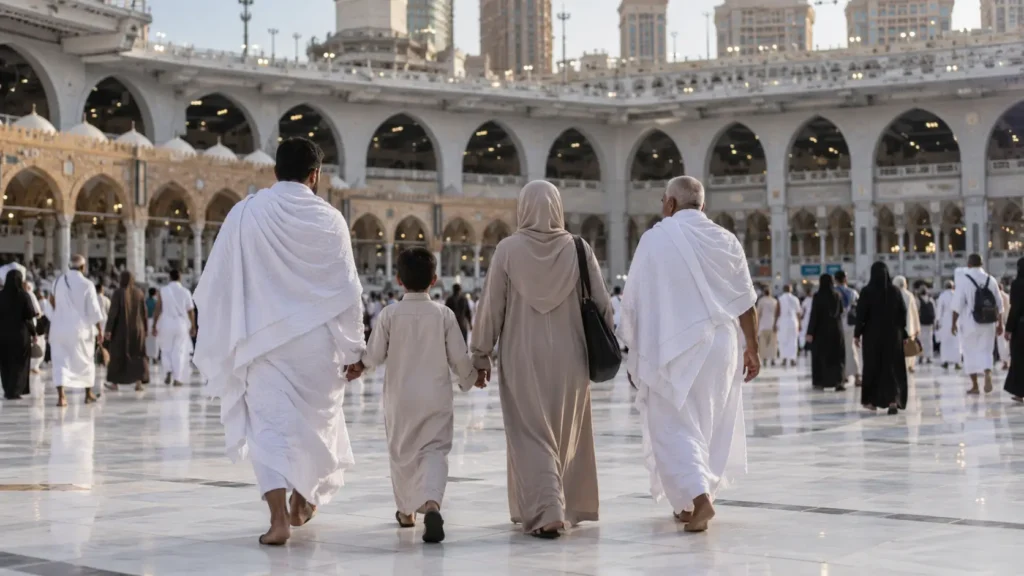
A suitable travel month should work for the whole family. The person who needs the most support may have the greatest influence on which dates, flights and hotel arrangements make sense.
Travelling with School-Age Children
School holidays can make travelling together possible, but each break has different practical considerations. Summer offers a longer window, while winter holidays may provide more comfortable weather with less flexibility around departure dates.
Before choosing a package, consider flight arrival times, room arrangements and whether the itinerary leaves enough time for sleep. A slightly shorter trip with convenient flights may work better than a longer journey with tiring connections.
Travelling with Elderly Parents or Relatives with Limited Mobility
Cooler months are worth considering when heat and walking are concerns. However, weather alone will not determine how comfortable the journey feels.
Check the actual walking route from the hotel, access arrangements and transfer details. A hotel described as nearby may still involve a route that is difficult for someone with limited mobility. Leave enough time between activities so that your relatives can worship at a pace that suits them.
How the Hajj Season Affects Umrah Travel Planning
Umrah travel around the Hajj season requires a separate check before booking. Seasonal arrangements can affect visa processing, entry to Makkah and the dates available for international Umrah travel.
Do not rely on a previous year’s closure or reopening dates. Check the applicable year’s official announcements and confirm that your proposed arrival and departure dates meet the requirements for your visa. The official Nusuk platform is a useful starting point for pilgrimage planning.
This is particularly important if you are considering a departure shortly before Hajj or soon after the season ends.
How Far in Advance Should You Book Umrah?
Start comparing options once you know your likely dates, especially if you need to travel during Ramadan or a school holiday. Earlier planning gives you time to assess hotel locations, flight connections and room options before making a decision.
There is no fixed booking window that guarantees the lowest price. Travellers with flexible dates may be able to consider a wider range of departures, while families needing specific flights or rooms usually have more constraints.
Before paying, confirm what the package includes, the cancellation terms and any arrangements that depend on visa approval. The best booking decision is one you understand clearly, with dates and services that suit your journey.
Find Umrah Dates That Match Your Budget and Priorities
Begin with your main priority, whether that is comfortable weather, travelling with family or spending part of Ramadan in Makkah. Then compare the total cost and practical details of the dates that fit.
Explore Hajj Umrah Hub Umrah packages from UK and share your preferred travel month, departure airport and number of travellers to discuss suitable options for your journey.
FAQs
Is December or January better for Umrah?
Both are worth considering for relatively cooler weather. December may suit families travelling during the Christmas holidays, while January may offer more flexibility after schools reopen. Compare prices and check Ramadan dates for your travel year.
Is summer Umrah suitable for a first-time pilgrim?
It can be, but the heat adds to the physical demands of the journey. Prioritise convenient accommodation, sensible arrival times and enough rest, particularly if you are unfamiliar with the walking involved.
Is Umrah immediately after Ramadan always cheaper?
No. Prices depend on your exact dates, flight availability and hotel demand, including travel around Eid. Compare actual quotes rather than assuming that costs fall as soon as Ramadan ends.
What is the best time of day to perform Umrah?
There is no hour that is always quiet. Evening or overnight conditions may reduce exposure to daytime heat, but crowds can still be substantial. Follow your permit arrangements and choose a suitable time when you are adequately rested.