
When Is the Best Time to Perform Umrah During Ramadan?
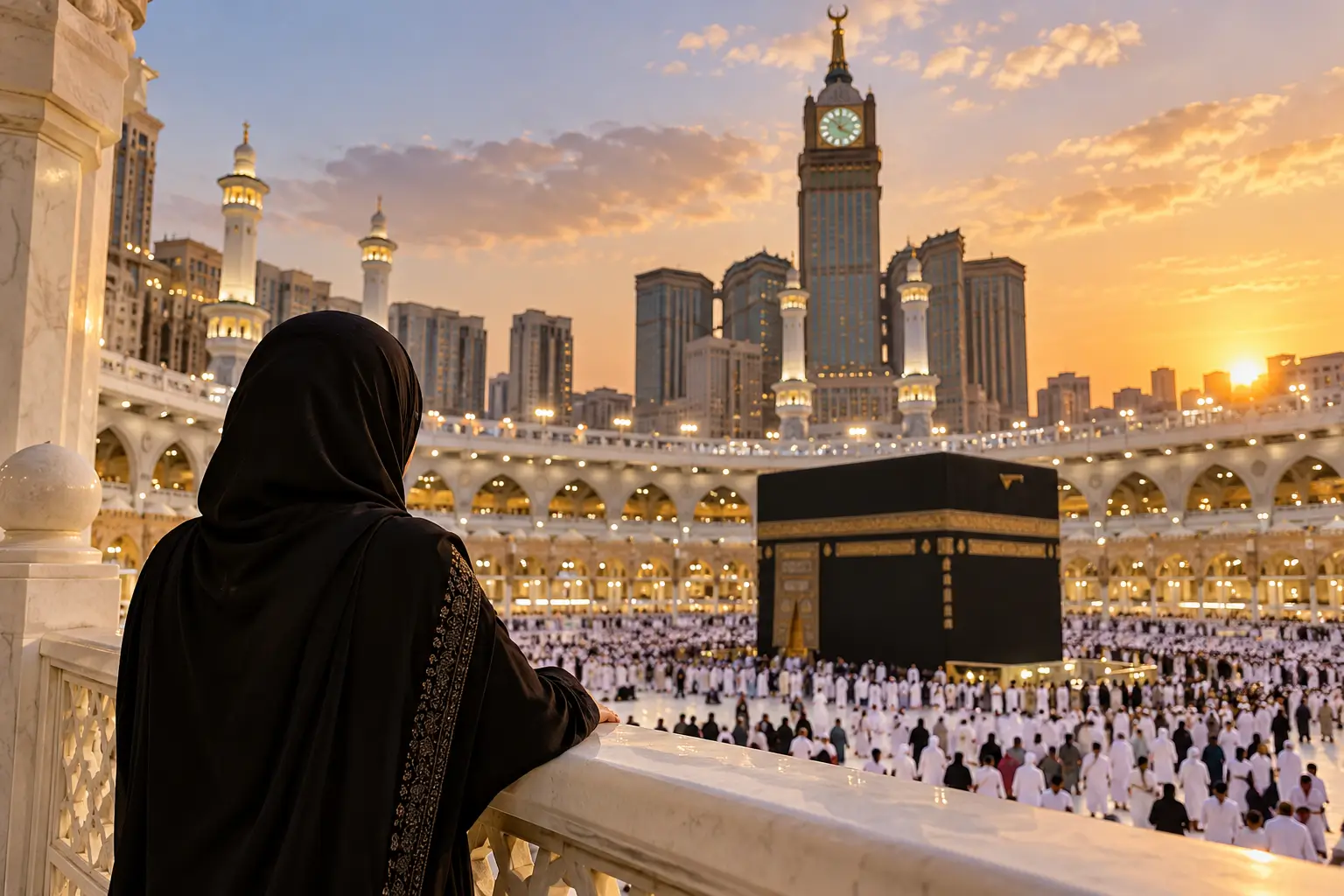
Ramadan is a special time to visit Makkah, but choosing when to perform Umrah isn’t always straightforward. Should you travel at the beginning of the month, wait until the final ten nights, or plan your pilgrimage around the hours when you’re not fasting?
The best time to perform Umrah during Ramadan depends on what matters most to you. The last ten nights hold particular spiritual significance, while the earlier part of the month may be easier to manage for some families and first-time pilgrims. Your health, travel budget and ability to cope with crowds also deserve consideration.
Here’s how to choose a time that works for your circumstances.
Is There a Best Time to Perform Umrah in Ramadan?
Umrah during Ramadan carries a special reward. In an authentic hadith, the Prophet Muhammad peace be upon him described Umrah in Ramadan as equivalent to Hajj in reward. This does not mean it replaces the obligation of Hajj.
However, there is no single date or hour in Ramadan that every pilgrim must choose for Umrah.
Some people prefer the final nights because they want to spend more time in prayer and seek Laylat al-Qadr. Others would rather perform their rituals earlier, when they feel physically stronger and have more time to rest.
Both approaches can make sense. What matters is being able to complete your pilgrimage safely and with proper attention to worship.
First 10 Days vs Middle 10 Days vs Last 10 Days of Ramadan
Each part of Ramadan offers a slightly different experience. Before booking your trip, it helps to understand what you might expect.
Ramadan Period | What to Consider | Who It May Suit |
First 10 days | May offer more manageable travel demand than the final nights | Families and first-time pilgrims |
Middle 10 days | An option for balancing worship, rest and travel arrangements | Pilgrims with flexible dates |
Last 10 days | Particularly meaningful nights, often with stronger demand for accommodation | Those hoping to spend the final nights in Makkah |
Performing Umrah in the First 10 Days
The beginning of Ramadan can be a sensible choice if you’re travelling with children or elderly relatives.
You still experience the atmosphere of Ramadan in Makkah, including congregational prayers and the breaking of the fast, without necessarily paying the premium associated with the final nights.
That doesn’t mean the Haram will be quiet. Makkah attracts pilgrims throughout Ramadan, and crowd levels can change considerably from one prayer to another.
Still, if your priority is completing Umrah without building your entire trip around the last ten nights, the beginning of the month is worth considering.
Performing Umrah in the Middle 10 Days
The middle of Ramadan sometimes gets overlooked by people comparing travel dates.
For UK pilgrims who can take annual leave outside the school holidays, these dates may offer useful flexibility. You can spend time in Makkah and Madinah, complete Umrah and leave room in your schedule for additional worship.
It’s also a reasonable option if you would prefer not to organise your entire journey around the busiest final nights.
Performing Umrah in the Last 10 Days
For many Muslims, the final ten nights are the most meaningful part of Ramadan.
These nights include the search for Laylat al-Qadr, which the Quran describes as better than a thousand months. Being in Makkah during this period can be a deeply moving experience.
However, the last ten nights also tend to attract strong demand for travel and accommodation. Hotels close to Masjid al-Haram may be more expensive, and moving through crowded areas can require patience.
It’s worth remembering that the special significance of these nights does not establish a guaranteed additional reward for performing Umrah on one particular night.
Is It Better to Perform Umrah Before or After Iftar?
Choosing the right time of day can be just as important as choosing your travel dates.
Performing Umrah While Fasting
Some pilgrims prefer to complete Umrah during daylight hours so they can use the evening for prayer and rest.
But Tawaf and Sa’i involve considerable walking. When you’re fasting, especially in warm weather, tiredness and dehydration can become serious concerns.
If you’re older, have a medical condition or are travelling with young children, think carefully about the physical demands before deciding.
Performing Umrah After Iftar
After Iftar, you have the opportunity to eat, drink and regain some energy before beginning the rituals.
This can make the experience more comfortable, particularly if you’re not accustomed to long periods of walking while fasting.
The trade-off is that evenings may be extremely busy. Many pilgrims want to pray and perform Umrah during the same hours, so you should not assume that travelling after Iftar means shorter queues or quieter surroundings.
There is no universally quiet time. The better choice is the one that allows you to perform the rituals without unnecessary strain.
How Crowded Is Makkah During Ramadan?
Makkah is busy throughout Ramadan, but the number of people around the Haram is not constant.
You may find heavier movement around prayer times, particularly in the evenings. During the final ten nights, demand for space and nearby facilities can become especially intense.
Crowds also affect how long Umrah takes. A journey through Tawaf and Sa’i that feels manageable on a quieter day may take considerably longer when the mosque is full.
Rather than planning your entire day around an expected finishing time, leave room for delays.
If you’re travelling with someone who has mobility difficulties, check the available accessibility arrangements before your visit.
When Should UK Pilgrims Book Ramadan Umrah?
If you already know that you want to travel during Ramadan, early planning gives you more room to compare your options.
Flights from London, Manchester and other UK airports can vary in price and availability. Hotel location also matters. A cheaper hotel farther from the Haram might not be the most practical choice if you’re fasting or travelling with elderly relatives.
Before booking, compare the full package rather than looking only at the advertised price.
Check whether flights, transfers and accommodation are included, how far the hotel is from the Haram, and whether the itinerary allows enough time in both holy cities.
You can also read our guide to Umrah costs from the UK to understand the expenses involved.
If you’re still deciding which season suits you, our guide to the best time to go for Umrah provides a broader comparison.
Practical Tips for Choosing Your Ramadan Umrah Dates
A little preparation can make your journey much more comfortable.
- Be realistic about your energy levels. Fasting, walking and disrupted sleep can be tiring, even if you’re generally fit.
- Consider your hotel location. Staying closer to the Haram may reduce the amount of walking between prayers and your accommodation.
- Leave time for rest. You don’t need to fill every hour of your trip with activities.
- Compare dates before booking. The difference between early and late Ramadan travel can affect your overall budget.
- Check current requirements. Saudi visa, permit and access arrangements can change, particularly around the Hajj season.
If this is your first pilgrimage, familiarising yourself with common Umrah mistakes can also help you prepare.
Choosing the Right Time for Your Ramadan Umrah
There isn’t one perfect date for everyone. If spending the final nights in worship is your main priority, the last ten days may appeal to you. If comfort, flexibility or budget matters more, travelling earlier could be a better fit.
Choose dates that allow you to focus on the purpose of your journey rather than rushing through it. When you are ready, compare suitable Ramadan Umrah packages from UK and plan around your needs.
FAQs
Is Umrah Better in the Last 10 Days of Ramadan?
The last ten nights are especially significant because of Laylat al-Qadr. Many pilgrims prefer to be in Makkah during this period, but Umrah performed earlier in Ramadan also carries great spiritual value.
Can You Perform Umrah While Fasting?
Yes. Performing Umrah does not, by itself, invalidate your fast. However, travellers may qualify for concessions regarding fasting under Islamic law. Seek guidance from a qualified scholar if you’re unsure what applies to your circumstances.
Is Umrah Less Crowded in the First 10 Days?
The first ten days may be less busy than the final nights, but this is not guaranteed. Crowds depend on travel demand, prayer times and local arrangements.
Can You Perform Umrah on Laylat al-Qadr?
Yes, you can perform Umrah during the nights in which Laylat al-Qadr is sought. However, its exact date is not known with certainty, and there is no established rule that Umrah must be performed on the 27th night.
Our Latest Updates
Applying for Umrah Visa Online In 7 Easy Steps Planning your first Umrah from the UK is exciting, but sorting out the …
How to Book Umrah from the UK? 7 Steps, Costs & Timeline for 2026-27 Booking Umrah from UK soil no longer works …
How Much Is an Umrah Visa from the UK? 2026 Costs Explained Planning Umrah from the UK usually starts with two questions: …